admin
admin 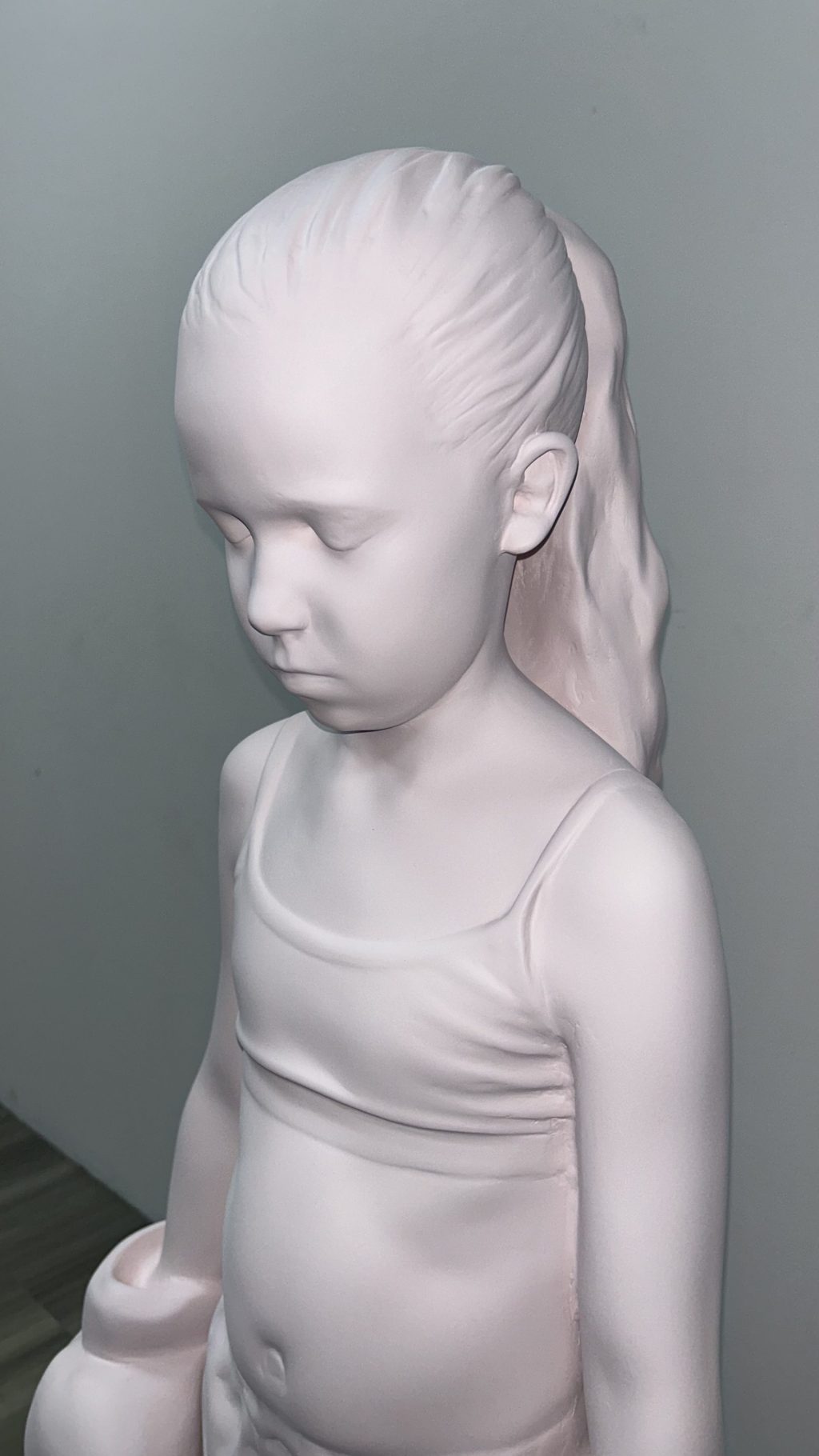
Harsh weather can test outdoor artwork through intense sunlight, heavy rain, strong winds, dust, and sudden temperature changes. Fiberglass offers reliable strength, but regular care helps maintain its surface and appearance for years.
Simple cleaning, timely inspections, and sensible protection reduce weather-related wear. With proper upkeep, fiberglass sculptures stay attractive and display-ready.
Inspect the surface regularly
Regular inspections help spot small issues before they grow. Check the sculpture for cracks, chips, loose sections, faded areas, surface stains, or unusual changes after storms. Pay extra attention to joints, edges, narrow projections, and areas that collect water or dust. A monthly inspection works well for many outdoor pieces, while sculptures in severe climates benefit from checks after major weather events. Record visible changes with photographs so you can compare the surface over time.
Clean away dirt and residue
Dust, mud, bird waste, salt, and pollution can settle on fiberglass and affect its finish. Wash the surface with clean water and a mild soap solution using a soft sponge or cloth. Avoid abrasive pads, harsh solvents, and aggressive scrubbing, as they may scratch the finish or damage protective coatings. Rinse the sculpture thoroughly after cleaning and allow excess water to drain naturally. Gentle cleaning keeps the surface fresh without unnecessary surface stress.
Protect against intense sunlight
Strong sunlight can gradually fade painted or coated surfaces, especially in areas with high ultraviolet exposure. Apply a suitable UV-resistant protective coating when the manufacturer recommends one. Inspect painted finishes for fading, chalking, or small surface changes during routine checks. Positioning also matters for movable sculptures, since partial shade can reduce direct exposure during the strongest sunlight hours.
Manage rain and humidity
Rain itself rarely causes major problems for quality fiberglass, but standing water can affect vulnerable areas and supporting structures. Keep drainage points clear so water does not remain around the base or fittings. Inspect seams and joints after prolonged rainfall, particularly in humid locations. Dry accumulated moisture with a soft cloth when practical. A sound mounting system also helps protect the sculpture during repeated wet conditions.
Secure sculptures during strong winds
Wind can place significant pressure on large fiberglass artwork, especially pieces with broad surfaces or tall designs. Check anchors, bolts, brackets, and mounting points regularly for looseness or corrosion. Outdoor sculptures in storm prone regions benefit from professional structural inspections. Temporary relocation may protect smaller movable pieces during severe weather alerts. Secure installation gives the artwork better stability when strong gusts arrive.