admin
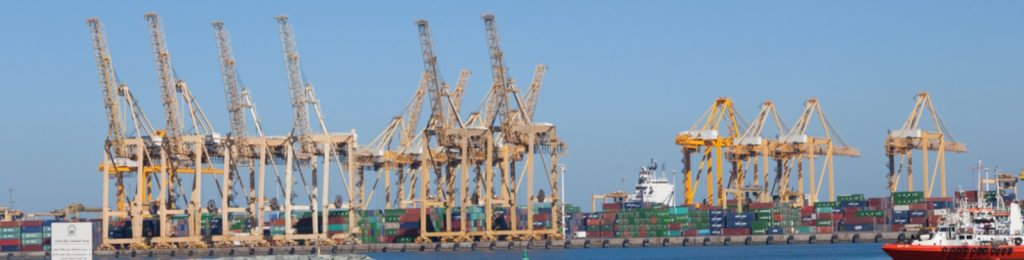
Fuel bunkering may be routine in vessel operations, but small mistakes during the process can cause contamination, delays, equipment problems, or significant financial losses. Incorrect fuel specifications, poor quantity checks, inadequate sampling, weak documentation, and failures to follow safety procedures can all create avoidable complications.
With fuel quality and compliance under increasing scrutiny, careful planning matters at every stage. In this article, we examine the biggest bunkering mistakes shipowners should avoid and the practical steps that can make marine fuel bunkering safer and more efficient.
Ignoring fuel quality checks
Fuel quality directly affects engine performance, so shipowners must verify every delivery before accepting it. Skipping sample collection or laboratory testing exposes vessels to contaminated fuel, excessive water content, and unsuitable viscosity.
These problems may damage injectors, clog filters, and disrupt combustion. Shipowners should collect representative samples, seal them correctly, and retain records.
Overlooking supplier credentials
Choosing a supplier solely because of a low price can lead to serious complications. Unreliable vendors may provide inaccurate documentation, inconsistent fuel quality, or quantities that differ from the agreed order.
Shipowners should review supplier records, delivery history, certifications, and customer feedback before signing an agreement. Clear purchase terms also set quality limits, delivery quantities, and dispute-resolution procedures.
Failing to measure delivered quantities
Disagreements about delivered fuel can lead to costly disputes. Some shipowners accept bunker delivery figures without comparing meter readings, barge measurements, or vessel tank soundings. Differences between ordered and received quantities deserve immediate investigation.
Crew members should record opening and closing measurements, monitor delivery rates, and verify calculations with the supplier’s representative.
Rushing the bunkering operation
Tight port schedules sometimes encourage crews to rush fuel transfers. Haste can lead to incorrect valve settings, overflowing tanks, leaking connections, and communication failures. Before transfer begins, the chief engineer and supplier representative should review the delivery plan, confirm tank capacity, test communication systems, and agree on emergency shutdown signals.
Crew members must monitor tank levels throughout the operation. A clear checklist and steady supervision help prevent avoidable incidents.
Neglecting fuel storage conditions
Even acceptable fuel may deteriorate when vessels store it incorrectly. Water accumulation, microbial growth, unsuitable temperatures, and poor tank maintenance can compromise fuel quality.
Shipowners should inspect tanks regularly, remove accumulated water, maintain suitable storage temperatures, and follow the manufacturer’s handling guidance. Proper segregation also prevents incompatible fuel grades from mixing. Routine inspections help crews identify contamination early and protect engines against unnecessary wear.