admin
admin 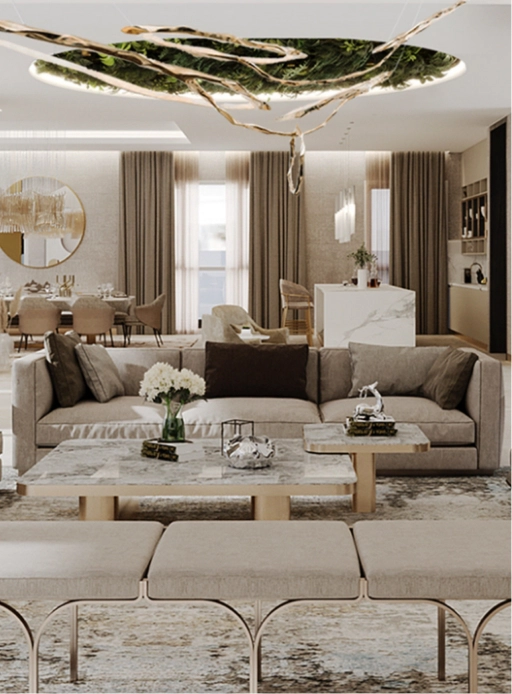
Visual ideas become easier to discuss when clients see them on screen before work begins. 3D rendering gives designers a clear method for presenting rooms, furniture, finishes, lighting, and layouts in a realistic format. Clients gain a stronger sense of the proposed result and make decisions with greater confidence. For projects handled by a luxury interior design company Dubai, this visual support adds clarity from the first concept discussion.
Clear visual communication
Words and sketches sometimes leave room for confusion. 3D rendering presents the proposed space as a detailed digital image, allowing clients to see colours, furniture positions, materials, and room proportions together. Design consultants use these visuals during meetings to explain their ideas clearly. Clients also find it easier to share opinions when they have a realistic image in front of them.
Better material selection
Choosing finishes becomes simpler with realistic digital views. Consultants show several flooring, wall, fabric, stone, wood, and lighting options within the same room. Clients compare each option on screen and select combinations that suit their taste. This process reduces guesswork and gives the design team clearer direction before purchasing materials.
Stronger space decisions
Room proportions matter greatly in interior projects. A piece of furniture that looks suitable on paper may appear too large once placed within a room. 3D rendering highlights these issues early. Consultants adjust furniture sizes, spacing, colours, and layouts digitally until the room achieves a balanced appearance.
Fewer costly changes
Design changes after installation may increase expenses and disrupt schedules. A detailed rendering gives clients an early chance to spot elements they dislike. Consultants then revise the digital model before physical work starts. This approach helps reduce unnecessary changes during installation and supports better budget control.
Realistic lighting previews
Lighting has a major effect on the appearance of an interior. 3D rendering allows consultants to show how natural and artificial light interact with surfaces, furniture, and decorative details. Clients gain a clearer idea of the room during different lighting conditions. Designers also adjust fixture positions and light levels within the digital model.
Stronger client confidence
A realistic visual gives clients something concrete to review and discuss. Instead of relying on imagination, they see how key design choices work together. This makes approvals faster and communication smoother. Design consultants also use rendered images to keep everyone aligned with the agreed concept.